Embarking on home improvement projects represents a strategic funding that significantly enhances property value, boosts energy efficiency, and improves day by day dwelling consolation. These tasks encompass a broad spectrum of interventions—from easy cosmetic updates to in depth structural renovations—each designed to deal with specific home-owner ache factors such as outdated aesthetics, inefficient layouts, or rising utility costs. Navigating the complexities of such projects requires a deep understanding of constructing codes, design ideas, and construction best practices; this article presents an authoritative information to assist householders obtain optimal results while minimizing risks and maximizing returns.
Understanding the Foundations of Successful Home Improvement
Before initiating any house improvement project, comprehending the basic components that influence end result success is essential. This knowledge empowers householders to plan successfully, allocate sources properly, and keep away from expensive mistakes.
Establishing Clear Objectives: Value, Function, and Aesthetics
Defining clear project goals ensures efforts align with personal wants and market expectations. Some owners prioritize property value enhancement, looking for renovations that ship sturdy returns on funding (ROI) similar to kitchen remodels or toilet upgrades. Others focus on improving daily functionality by expanding space, optimizing layout, or enhancing lighting. Aesthetic enhancements can even dramatically elevate a home’s curb appeal, fostering pride of ownership and potentially shortening time on the market when reselling. Clear objectives cut back scope creep and enable targeted spending.
Budgeting with Realistic Cost Expectations and Contingencies
Home improvement budgets must factor not only material and labor prices but also the impact of unexpected delays, allow charges, and potential code-mandated upgrades. For instance, bringing wiring or plumbing as a lot as present building code standards during renovations can forestall future hazards and liability issues but improve upfront bills. Including a minimum of a 10-15% contingency fund mitigates monetary stress during project execution.
Understanding Building Codes and Permitting Processes
Complying with native and national constructing codes is non-negotiable for safety, legality, and insurance coverage functions. These codes cover structural integrity, hearth security, electrical methods, plumbing, insulation, and accessibility. Securing proper permits keeps tasks above board and guards towards costly rework or fines. Working intently with certified contractors familiar with code requirements streamlines this course of and ensures compliant outcomes.
Choosing the Right Contractors and Project Consultants
Selecting reputable professionals with verifiable credentials is essential for high quality assurance. Experienced contractors deliver experience in supplies, scheduling, and permit acquisition, whereas architects or designers translate home-owner vision into feasible plans conforming to regulations. Establishing clear contractual terms that outline timelines, scope, and fee schedules prevents disputes and fosters project transparency.
Enhancing Structural and Energy Efficiency by way of Renovations
Once foundational planning and compliance are in place, specializing in improving the home’s structural integrity and energy effectivity delivers landmark advantages. These enhancements reduce long-term maintenance prices and decrease utility payments while growing property attraction.
Foundation and Framing Upgrades for Longevity and Safety
Older houses could endure from settlement cracks, moisture harm, or compromised framing that threaten security and resale worth. Reinforcing foundations with underpinning or concrete piers, and replacing/repairing framing components utilizing engineered lumber or metal helps, restores structural stability. Such work also prepares the house for extra loads from expansions or roofing upgrades.
Insulation and Air Sealing Strategies to Reduce Energy Loss
Effective insulation and air sealing are key to reducing warmth switch and preventing drafts. Materials like spray foam, cellulose, and inflexible foam boards differ in R-values and software strategies. Sealing gaps around home windows, doorways, and vents with weatherstripping or caulking prevents infiltration. These measures translate immediately into energy savings, improved comfort, and reduced HVAC system pressure.
Window and Door Replacement: Balancing Efficiency and Natural Light
Replacing single-pane or drafty units with double- or triple-glazed, low-emissivity windows improves thermal efficiency and reduces noise pollution. Selecting the right door supplies and hardware additionally impacts safety and energy effectivity. Additionally, optimizing window placements enhances daylight penetration, fostering a healthier indoor environment and decreasing artificial lighting wants.
Roofing and Drainage Solutions to Protect Home Investment
A well-maintained roof shields the home from weather damage and prevents costly water infiltration. Modern roofing materials such as architectural shingles, steel roofing, or synthetic membranes offer enhanced lifespan and resilience. Adequate guttering and downspouts, along with correct grading, direct water away from the inspiration, avoiding erosion and basements flooding.
Functional Space Optimization: Layout, Storage, and Multipurpose Areas
Improving how space is utilized is a prime priority for a lot of householders aiming to boost living quality and adaptability. Smart design options can add perceived and practical worth with out important sq. footage additions.
Open Plan vs. Zoned Spaces: Balancing Social Interaction and Privacy
Open-plan designs foster social engagement and create a sense of spaciousness but might lack privateness or acoustic separation. Conversely, zoning permits dedicated quiet areas and functional separation but could make homes really feel segmented. Choosing the best balance tailor-made to household needs improves way of life high quality and market appeal.
Built-In Storage and Multitasking Furniture to Maximize Usability
Clutter is a serious ache point that diminishes comfort and perceived residence value. Incorporating built-in shelves, under-stair drawers, or customized cabinetry addresses storage wants effectively. Furniture pieces with multiple capabilities, such as couch beds or fold-out desks, provide flexibility for changing family routines.

Creating Home Offices and Hobby Spaces for Modern Living
Post-pandemic residence work culture mandates dedicated, ergonomic spaces for productivity. Integrating soundproofing, sufficient lighting, and storage into these areas improves operate and reduces stress. reformas qualidade Similarly, customized zones for hobbies or fitness improve life-style satisfaction and attract buyers who worth personalization.
Interior Finishes and Systems Upgrades: Aesthetic Impact with Functional Gains
The selection of supplies, systems, and finishes mediates between price range and luxury, influencing upkeep and pleasure ranges. Thoughtful upgrades right here serve each visible and practical aims.
Flooring Choices: Durability, Comfort, and Style
Choosing flooring requires balancing foot visitors sturdiness, maintenance ease, and aesthetic enchantment. Hardwood flooring convey heat and luxury but might require refinishing, whereas tile offers water resistance perfect for kitchens and baths. High-quality luxurious vinyl or engineered wooden presents resilient, cost-effective options with practical reforma entulho finishes.
HVAC Systems: Balancing Comfort, Efficiency, and Indoor Air Quality
Modern HVAC applied sciences similar to variable refrigerant circulate (VRF) systems or warmth pumps improve vitality effectivity and allow for zoning management, reducing operational costs. Incorporating high-efficiency air filters and humidifiers improves indoor air high quality, a critical factor for family well being and comfort.
Kitchen and Bathroom Renovations: Balancing Functionality and Design
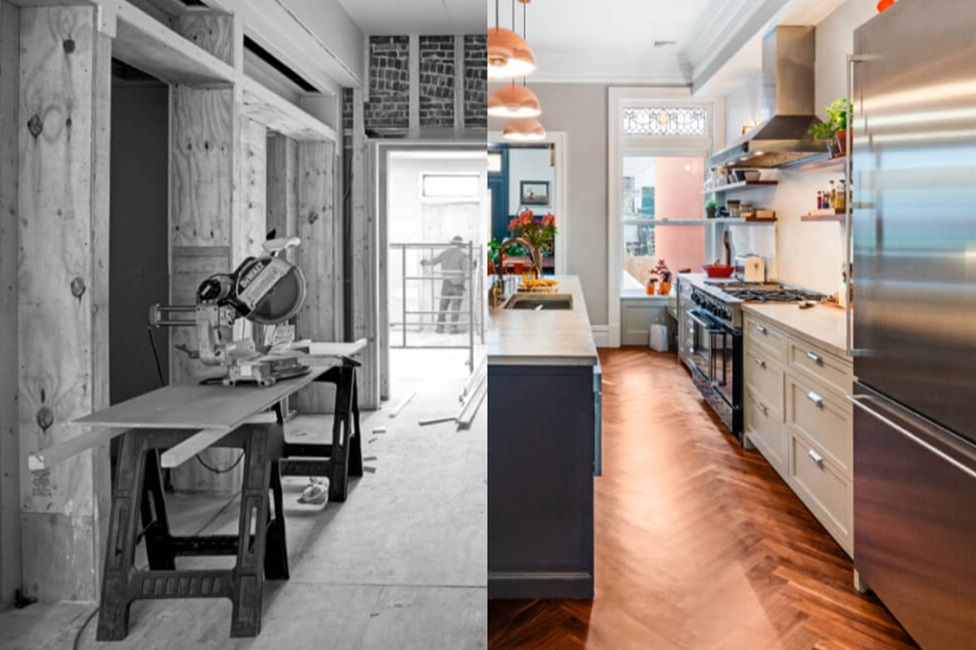
The kitchen and bathrooms are focal points for both every day use and resale worth. Upgrading cabinetry with soft-close hinges, putting in solid surface countertops like quartz, and integrating energy-efficient home equipment improve longevity and user satisfaction. Bathroom enhancements such as low-flow fixtures, walk-in showers with seize bars, and heated flooring add performance aligned with modern requirements.
Outdoor Home Improvement Projects: Expanding Usable Living and Market Appeal
Outdoor spaces prolong the practical residing area and improve curb appeal, which is usually a decisive issue for consumers and house owner enjoyment alike.
Landscaping and Hardscaping for Curb Appeal and Usability
Strategic landscaping with native drought-resistant vegetation reduces water use and upkeep. Hardscape features such as patios, decks, and pathways increase usable outdoor dwelling areas for entertaining or rest. Proper lighting and irrigation techniques additional increase safety and convenience.
Porch, Deck, and Garage Additions to Extend Living Space
Additions like screened porches provide weather-protected outside enjoyment, while decks constructed with composite materials supply sturdiness and minimal maintenance. Garage expansions serve dual roles in vehicle safety and storage, sometimes creating alternatives for conversion reforma projeto to living quarters or workshops in the future.
Fencing and Privacy Solutions: Security and Comfort
Well-designed fencing enhances safety and privateness, important to homeowner well-being. Materials range from conventional wood for aesthetics to wrought iron for durability and visibility management. Combined with strategic planting, fences can create serene boundary zones with out isolating the home from its environment.
Mitigating Common Pain Points in Home Improvement Projects
While the benefits of home enchancment are clear, a quantity of challenges frequently complicate project success. Addressing these proactively saves time, reduces stress, and controls costs.
Managing Unforeseen Structural or Code Compliance Issues
Older properties usually conceal hidden challenges such as outdated electrical wiring, asbestos, or termite injury. Early-stage thorough inspections utilizing licensed professionals uncover these dangers before work begins. Staying present on native codes and consulting authorities when in doubt prevents late-stage compliance conflicts.
Balancing Aesthetic Desires with Functional Necessities
Homeowners generally wrestle with choices that prioritize seems over durability or ease of maintenance. Expert guidance ensures finishes chosen also meet daily use demands and native local weather situations, thus protecting worth and delight.
Coordinating Multiple Trades and Managing Project Timelines
Complex projects contain coordination among electricians, plumbers, carpenters, and inspectors. Creating detailed schedules with contingencies and clear communication channels avoids delays and mistaken overlaps. This project management self-discipline is usually the difference between seamless supply reforma decoração and expensive overruns.
Summary and Practical Next Steps for Homeowners
Home improvement tasks symbolize highly effective tools not solely to elevate aesthetic enchantment and luxury but in addition to increase market value, decrease operational prices, and future-proof your funding. Achieving this requires methodical planning encompassing goal readability, budgeting, stringent adherence to constructing codes, and choosing certified professionals. Structural and energy efficiency upgrades deliver long-term financial benefits, whereas indoor house optimization enhances daily life. Complementary out of doors improvements amplify living options and curb appeal. Being conscious of common pitfalls and proactive problem-solving preserves timelines and budgets.
To move forward successfully, householders should start with a comprehensive assessment of their current property situation, aligned with well-defined project aims. Secure competitive bids from licensed contractors and seek needed permits upfront. Prioritize enhancements with the best mixed impact on worth and quality of life. Finally, preserve open communication throughout the project, guaranteeing all stakeholders are aligned with targets and timelines. Through these measured steps, residence enchancment can fulfill its promise as a rewarding and transformative endeavor.